
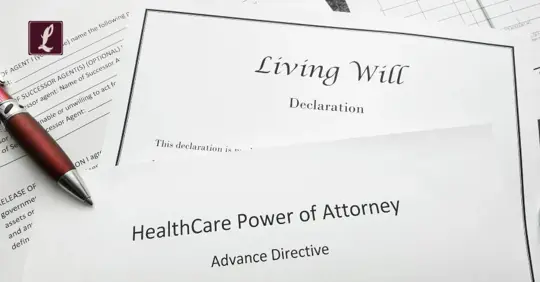
Planning for the future isn't just about passing down assets. It’s about preserving your voice when you might not be able to speak for yourself. Yet, when it comes to healthcare directives and living wills, many Massachusetts families delay taking action because of common misconceptions.
Navigating estate planning and healthcare choices can feel overwhelming, but clearing away these myths will help you protect both your wishes and your loved ones during critical moments.
Myth 1: "A Living Will and a Healthcare Proxy Are the Same Thing"
It’s easy to confuse these two documents, but in Massachusetts, they serve distinct roles.
- Healthcare Proxy: This legal document appoints a trusted person (your healthcare agent) to make medical decisions on your behalf if you become incapacitated.
- Living Will: This document outlines your specific preferences regarding end-of-life care, such as ventilator support, feeding tubes, or pain management.
While Massachusetts law explicitly recognizes Healthcare Proxies, Living Wills are not legally binding in the Commonwealth in the same strict way. However, a Living Will remains a crucial guide that provides clear evidence of your wishes to your proxy and healthcare providers.
Myth 2: "I'm Too Young or Healthy to Need One"
A sudden illness, serious accident, or emergency medical situation can happen at any age. If you are over 18 and face a medical crisis without a healthcare proxy, doctors cannot automatically defer to your parents, spouse, or adult children.
Without formal documents in place, your family may be forced to petition a Massachusetts court for guardianship just to make basic medical decisions—a process that is costly, time-consuming, and emotionally draining during an already stressful time.
Myth 3: "Once Written, I Lose Control Over My Care"
Creating a healthcare directive does not mean surrendering control. As long as you are capable of making and expressing your own medical decisions, your doctors will listen directly to you—not your agent. Your proxy’s authority only activates if a physician determines you lack the capacity to make decisions yourself.
Furthermore, you can amend, update, or revoke your healthcare directives at any time as your personal preferences or family dynamics evolve.
Myth 4: "My Family Knows What I Want, So I Don't Need Anything in Writing"
Even the closest families can struggle under the pressure of an unexpected medical emergency. Relying on verbal conversations leaves room for misunderstanding, disagreement, or guilt among siblings or spouses trying to guess what you would have wanted.
Putting your explicit instructions in writing gives your family clarity and peace of mind, sparing them from second-guessing or conflict during an emotionally charged moment.
Secure Your Peace of Mind Today
Taking the time to put your healthcare preferences in writing is one of the greatest gifts of clarity you can give your family. Ensure your estate plan fully reflects your wishes under Massachusetts law with guidance from a team that truly cares. Lannik Law is here.
Reach out to us today at (617) 431-2669 to schedule a consultation and take the first step toward safeguarding your future.